AI dominates Spark Tank, but people are still the key
By Linda Hsieh, Editor & Publisher

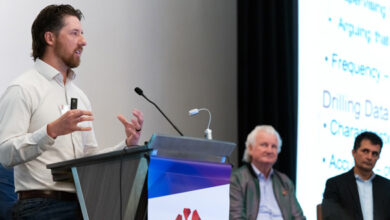
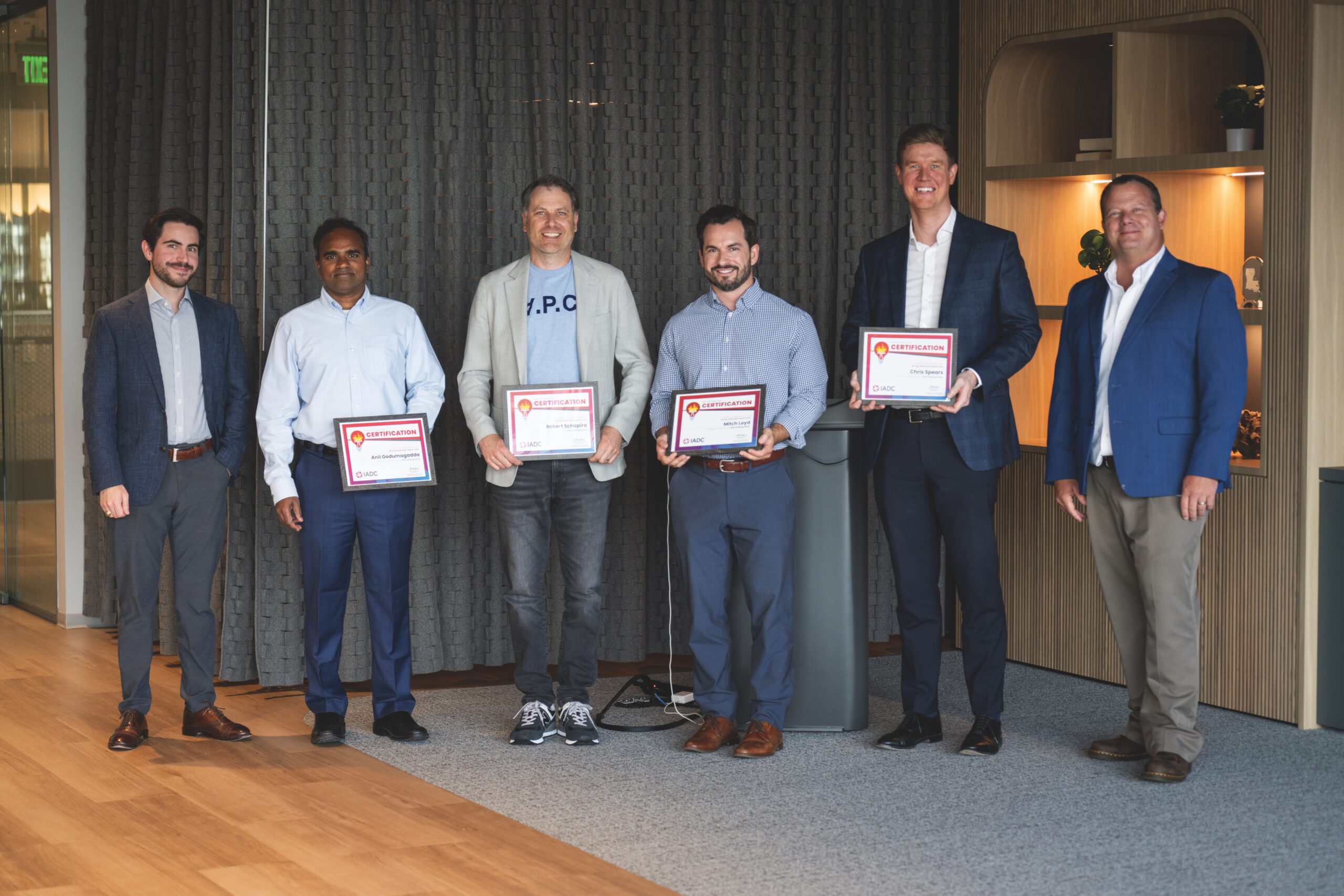
At the recent Spark Tank event held by the IADC Advanced Rig Technology (ART) Committee on 28 July, AI dominated the conversation. Four emerging companies, startups and/or entrepreneurs were invited to pitch their products and ideas to a panel of “sharks” – representatives from an operator, a drilling contractor, a service firm and a venture capital firm – and three of those pitches were set against a background of AI.
But even though AI was the primary topic, one message emerged repeatedly: The drilling industry’s next wave of innovation will be driven by practical solutions that improve efficiency, reduce risk and extend the value of existing assets. Both the presenters’ pitches and their interactions with the drilling “sharks” showed that the industry doesn’t want to pursue AI for its own sake. Rather, it’s the solutions that target specific operational challenges that will see interest and investment.
Fragmented data, inefficient workflows, knowledge loss and costly nonproductive time – those are the some of the key issues being addressed by the presenters’ products and ideas.
Gain.Energy presented its bit dull grading agent, which analyzes photos of a pulled PDC bit and grades the cutting structure automatically, using computer vision, machine learning and an LLM. A task that used to require an experienced hand and significant time to complete can now take just seconds. It also removes individual bias from the grading.
Drillers.ai is a collaboration among three aspiring entrepreneurs – including a mechanical engineer who spent 10 years working in drilling and deepwater operations at ExxonMobil. They’re building a transient wellbore simulator spanning the full hole section sequence from integrity test interpretation, drilling to TD, circulation optimization, trip-out advisory, casing-run assessment and cementing. The goal is to help engineers understand what is happening inside the wellbore rather than forcing them to interpret dozens of separate data streams.
DeepIQ – which DC wrote about in our July/August “AI in Drilling” edition – touts a platform that converts unstructured data into digital assets using proprietary AI models. It builds an integrated knowledge graph that connects wells, hole sections, equipment, formations and operational events into a network of real-world relationships that can be queried. This shifts engineer time from admin to engineering because they no longer have to spend time trying to connect disparate datasets. With engineering knowledge immediately accessible, they can focus on engineering analysis.
As evidenced by these technologies, the future may be digital, but they’re not trying to replace humans. Instead, they’re trying to capture institutional knowledge, improve decision making and ensure that every well contributes to the industry’s collective learning. People are still the key to success.